
Australia’s Favourite Dog Is Growing Up – And Cavoodle Vet Bills Are Hitting Hard
New Pet Insurance Australia claims data reveals what’s sending Cavoodles to the vet as Australia’s pandemic puppy generation grows up.
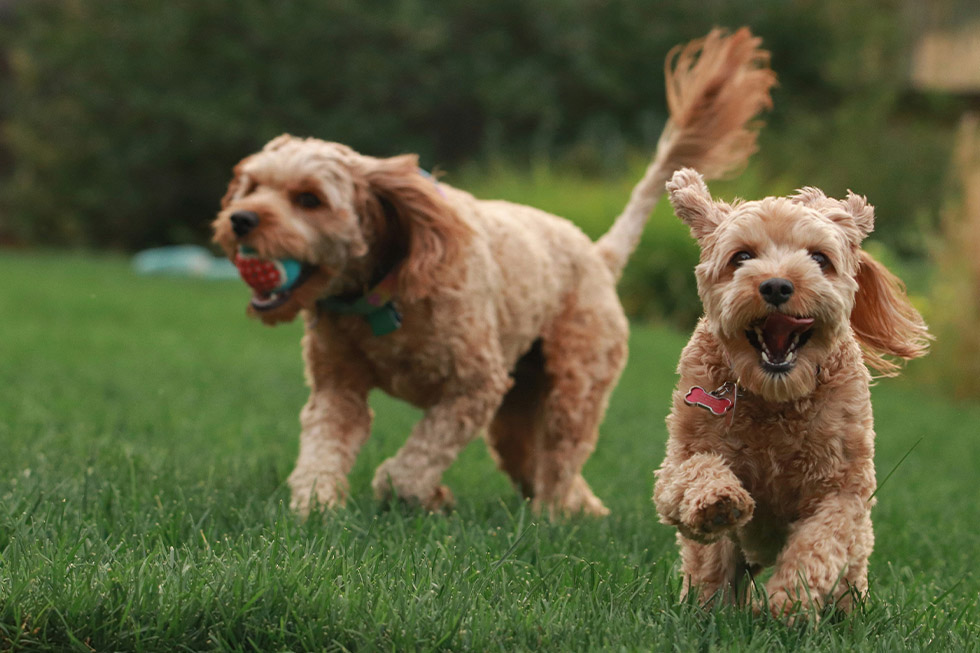
Australia fell head over heels for the Cavoodle during the pandemic. Now those puppies are growing up, and new Pet Insurance Australia (PIA) claims data is revealing some of the illnesses, injuries and unexpected veterinary costs affecting the nation’s much-loved companion.
The Cavoodle, a cross between the Cavalier King Charles Spaniel and Poodle, remains Pet Insurance Australia’s most popular insured dog breed in 2026*.
But its rise was particularly dramatic during the pandemic puppy boom.
Cavoodles have surged in popularity among Australian pet owners, with new Pet Insurance Australia data revealing the breed’s share of active policies has increased by almost 72% since 2019.
In December 2019, Cavoodles accounted for 5.25% of PIA’s active policies. Today, they represent 9.01%, highlighting just how dramatically the breed has grown within Australia’s insured dog population.
“The rise of the Cavoodle has been extraordinary,” says Nadia Crighton, spokesperson for Pet Insurance Australia. “We’ve watched them go from just over five per cent of our active policies in 2019 to around nine per cent today. That’s an increase of almost 72% in their share of our insured pets, and really demonstrates how firmly the Cavoodle has established itself as one of Australia’s favourite dogs.”
“There’s no question Australia fell completely in love with the Cavoodle, and during the pandemic we watched their popularity soar,” says Crighton. “Those pandemic puppies aren’t puppies anymore. They’re growing up, and we’re now seeing an interesting picture emerge through the conditions Cavoodle owners are claiming for.”
The $11,600 Cavoodle Claim
PIA’s 2026 Cavoodle claims data shows just how quickly veterinary costs can escalate.
Traumatic injuries recorded the highest maximum claim at more than $11,600*, followed by heart conditions and tissue trauma/fractures at more than $7,800*.
Gastrointestinal conditions have resulted in max claims exceeding $7,600*, while foreign body ingestion has climbed beyond $7,500*.
Cruciate ligament max claims have reached more than $6,500*, while allergy claims have reached more than $5,000*.
“What surprised us wasn’t one particular condition, but the range,” Crighton says. “We’re seeing everything from allergies and ear problems through to cruciate ligament conditions, heart conditions, gastrointestinal problems and significant traumatic injuries.”
Cavoodle Claims at a Glance
|
Condition |
Average claim |
Maximum claim |
| Traumatic injury |
$700+* |
$11,600+* |
| Heart conditions |
$400+* |
$7,800+* |
| Gastrointestinal conditions |
$450+* |
$7,600+* |
| Foreign body ingestion |
$600+* |
$7,500+* |
| Cruciate ligament |
$900+* |
$6,500+* |
| Allergies |
$240+* |
$5,000+* |
Crighton says the difference between an average claim and the highest claims is an important reminder of how dramatically the cost of treating the same broad type of condition can vary.
“An owner might look at an average claim of $600 or $700 and think they could comfortably manage that,” she says. “But when something becomes complicated or requires surgery, diagnostic imaging, hospitalisation or specialist treatment, suddenly you’re potentially looking at thousands of dollars.”
More Than a Teddy-Bear Face
With their soft curls, playful personalities and almost toy-like appearance, Cavoodles have become a fixture in Australian homes.
But Crighton says their popularity makes good health education increasingly important.
“The teddy-bear appearance can make the Cavoodle seem almost indestructible, particularly when they’re young,” she says. “But they’re still dogs. They get sick, they have accidents, they swallow things they shouldn’t and, as they grow older, their health needs can change.”
PIA is encouraging Cavoodle owners to become familiar with what’s normal for their individual dog and seek veterinary advice when something changes.
A persistent limp, repeated vomiting, increased thirst, ongoing scratching, recurring ear problems, changes in exercise tolerance or unusual behaviour can all warrant investigation.
Experts also recommend watching for gradual weight loss, an ongoing loss of appetite, persistent changes in your pet’s stools, or any new lumps and bumps, particularly those that appear to be growing or changing in size.
“Knowing about potential health problems isn’t about frightening owners or expecting their Cavoodle to become sick,” Crighton says. “It’s about recognising changes early and understanding that the tiny puppy you brought home during lockdown is growing up. Their healthcare needs grow with them.”
Featured By

Nadia Crighton is a renowned and accomplished professional in the fields of Journalism, Public Relations, and Writing, with an extensive career spanning over 25 years, 20 of which have been dedicated to promoting the health and well-being of pets.
Get the latest Pet Insider Tips & News
Error: Contact form not found.
We offer award-winning* pet insurance policies to protect your furry friend’s health and wellbeing. Get a quote today and give your pets the care they deserve.

Archives
Categories
- Cat Care (67)
- Cats (3)
- Dog Care (136)
- Guides (29)
- Health and Nutrition (207)
- Lifestyle and Activities (222)
- Media Release (58)
- Pet Care (260)
- Rescue Dogs (1)

