

Why Is My Dog Licking Their Paws? | Causes, Allergies & Treatment Guide
This article has been medically reviewed for accuracy by Dr Courtney Ludwig, Veterinary Dermatologist from SASH (Small Animal Specialist Hospital). Dr Ludwig has reviewed the veterinary information contained within this guide to help ensure it reflects current evidence-based veterinary knowledge.
The 30-Second Answer
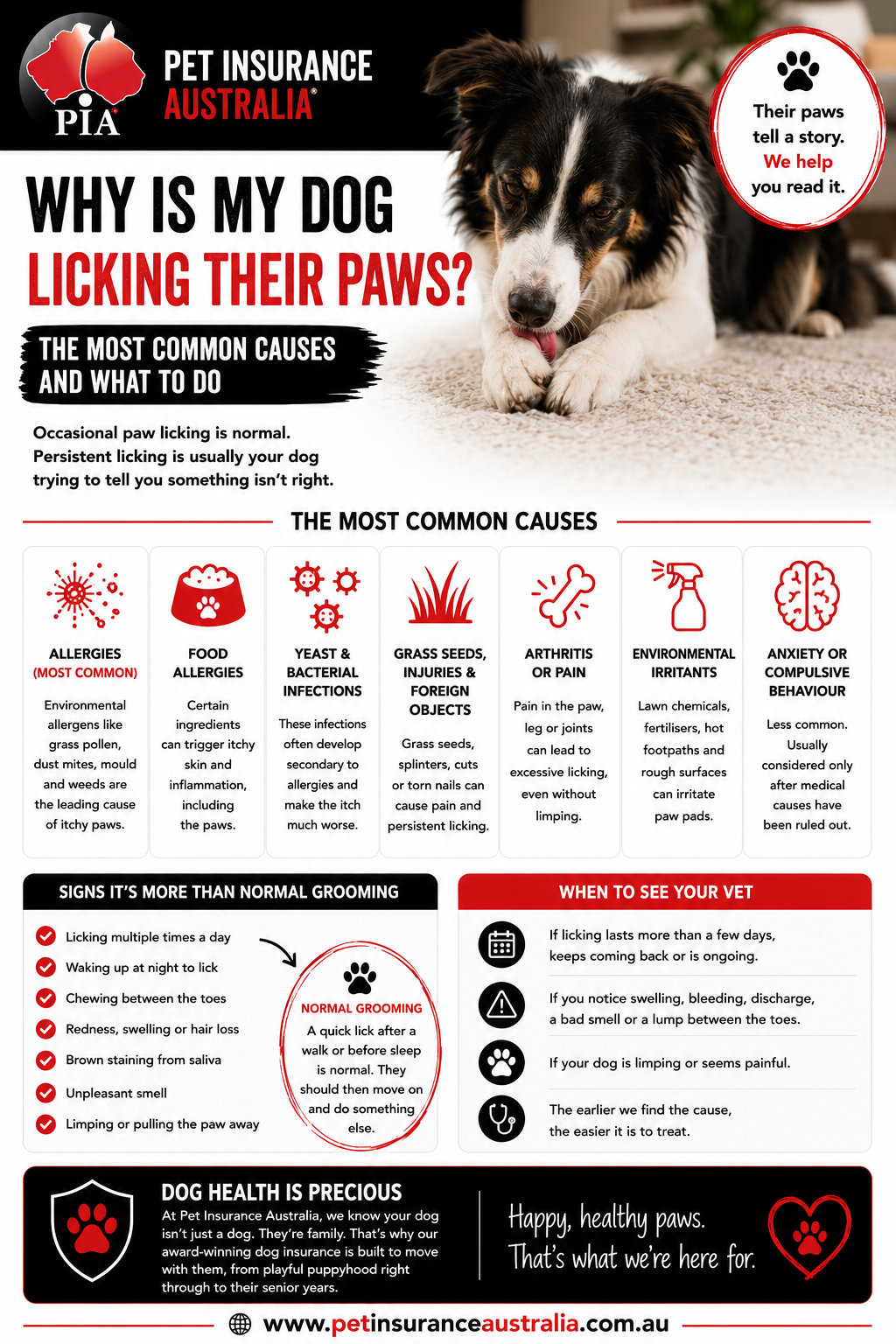
If your dog occasionally licks their paws after a walk or before going to sleep, that’s usually perfectly normal. However, persistent paw licking is often one of the earliest signs that something isn’t right.
The most common causes include:
- Environmental allergies (grass, pollen, mould and dust mites)
- Food allergies
- Yeast or bacterial skin infections
- Grass seeds and foreign objects
- Cuts, burns or nail injuries
- Arthritis or pain
- Less commonly, anxiety or compulsive behaviour
If your dog is licking their paws every day, waking during the night to lick them, chewing between their toes, limping or developing red, swollen or smelly feet, it’s time to book a veterinary appointment.
Table of Contents – link to each section please
- Is Paw Licking Ever Normal?
- Why Do Dogs Lick Their Paws?
- Environmental Allergies (The Most Common Cause)
- Food Allergies
- Skin Infections
- Grass Seeds, Injuries and Foreign Bodies
- Could It Be Arthritis or Pain?
- Is Anxiety Really to Blame?
- When Should You See a Vet?
- How Vets Diagnose Paw Licking
- Treatment Options
- Frequently Asked Questions
Typing “Why is my dog licking their paws?” into Google is something thousands of Australian dog owners do every month.
For many families, it starts innocently enough.
Perhaps your dog has started licking one paw after coming inside from the garden. A few weeks later they’re chewing both front feet every evening. Before long, you notice rusty brown staining on their white fur, red skin between the toes or a strange smell coming from their paws.
Many owners assume it’s simply a habit. Unfortunately, that’s rarely the case. Persistent paw licking is usually a symptom rather than the problem itself.
Understanding why your dog is licking their paws is the first step towards helping them feel comfortable again.
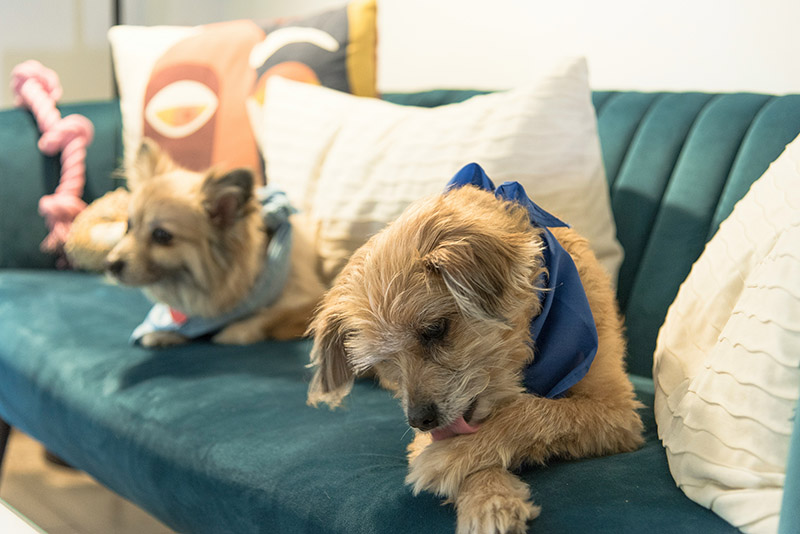
Yes. Just like cats, dogs will occasionally lick their paws as part of normal cleaning behaviour.
You may notice your dog:
- licking briefly after a muddy walk
- cleaning between their toes
- licking before settling down to sleep
- grooming after being outside
This type of licking is usually short-lived. The behaviour becomes concerning when it becomes repetitive, difficult to interrupt or starts happening every day.
According to Veterinary Dermatologist Dr Courtney Ludwig, owners should pay attention when the behaviour changes.
“A healthy dog may briefly lick their paws to clean them, especially after being outside, but they should then move on and do something else.
It becomes a concern when the licking is frequent, repetitive or difficult to interrupt. If your dog is licking every day, waking up to lick during the night, chewing between the toes, or spending several minutes at a time focused on their feet, it’s worth investigating.
Other clues include red or swollen skin, brown saliva staining on light-coloured fur, hair loss, an unpleasant smell, or limping. If you notice these changes, it’s unlikely to be just normal grooming.”
The key takeaway? A dog that can’t stop licking their paws is usually trying to tell you they’re uncomfortable.
The Most Common Reason Dogs Lick Their Paws: Allergies
If veterinary dermatologists could choose one reason behind chronic paw licking, allergies would sit firmly at the top of the list.
Dogs experience the world through their feet. Every walk exposes their paw pads and skin to grass, pollen, dust, mould, weeds and countless other environmental allergens. For dogs prone to allergies, that exposure can trigger significant inflammation and itching.
“Yes. Allergies are by far the most common reason we see dogs with ongoing paw licking,” Dr Lugwig says. The biggest culprit is environmental allergy, where dogs can become allergic to airborne components like grass pollens, tree pollens, weeds, house dust mites or moulds. These dogs can have itchy feet year-round or during particular seasons.”
Food allergy can also cause itchy paws, and is diagnosed with a strict elimination diet trial.
“One thing many people don’t realise is that allergic feet often develop secondary yeast or bacterial infections, and these infections make the itch much worse,” Dr Lugwig warns. “Treating the infection helps, but unless the underlying allergy is managed, the problem often comes back.”
This is why many dogs seem to improve after antibiotics or medicated washes, only for the licking to return a few weeks later. The infection may have settled, but the allergy driving it hasn’t.
Environmental Allergies (Atopic Dermatitis)
One of the most common diagnoses made by veterinary dermatologists is canine atopic dermatitis. It is also one of the top reasons for pet insurance claims for dogs of all ages.
This is a chronic allergic skin disease where a dog’s immune system overreacts to substances in the environment that would normally be harmless.
Common triggers include:
- Grass pollen
- Tree pollen
- Weed pollen
- House dust mites
- Mould spores
Some dogs only become itchy during spring and summer. Others suffer all year because they’re reacting to indoor allergens such as dust mites.
Signs often include:
- Constant paw licking
- Chewing between the toes
- Rubbing their face
- Recurring ear infections
- Red skin
- Scratching under the arms and groin
- Rolling on carpet or grass
Many owners are surprised to learn that allergies don’t just affect a dog’s skin, they can dramatically reduce quality of life if left untreated.
Signs Your Dog’s Paw Licking Could Be an Allergy
While only your veterinarian can diagnose the underlying cause, dogs with allergies commonly develop:
- Red skin between the toes
- Brown staining from saliva
- Hair loss
- Swollen paws
- Recurring ear infections
- Itchy face
- Chewing multiple paws
- Seasonal flare-ups
- Licking after walks
- Recurring skin infections
Because allergies weaken the skin’s natural barrier, bacteria and yeast are able to multiply more easily, creating an ongoing itch cycle that’s difficult to break without treating both the infection and the allergy itself.
Although environmental allergies are the most common cause of chronic paw licking, food allergies can produce very similar symptoms.
Unlike seasonal allergies, food allergies can occur throughout the year because the trigger is something your dog is eating regularly.
Common signs include:
- Persistent paw licking
- Recurrent ear infections
- Itchy skin
- Red, inflamed feet
- Skin infections
- Digestive issues in some dogs
Diagnosing a food allergy isn’t as simple as changing foods every few weeks.
As Dr Courtney Ludwig explains, food allergies require careful investigation.
“Food allergy can also cause itchy paws, and is diagnosed with a strict elimination diet trial.”
Your veterinarian may recommend feeding a prescription elimination diet for several weeks before slowly reintroducing ingredients to identify the trigger. While it can take time, identifying a food allergy can significantly improve your dog’s comfort and reduce ongoing skin flare-ups.
Yeast and Bacterial Infections Can Make Paw Licking Worse
One of the reasons excessive paw licking often becomes a vicious cycle is that damaged skin is more likely to develop secondary infections.
As dogs lick and chew their feet, the skin becomes irritated, wet and inflamed. This creates the perfect environment for yeast and bacteria to multiply.
These infections are often incredibly itchy, encouraging even more licking.Signs of an infected paw may include:
- A musty or yeasty smell
- Red, inflamed skin
- Brown saliva staining
- Pustules
- Crusting
- Moist skin between the toes
- Discharge
- Bleeding
If left untreated, repeated infections can become increasingly difficult to control and may lead to chronic skin thickening or painful lesions (hot spots).
Grass Seeds, Injuries and Foreign Objects
Not every dog licking their paws has allergies. Sometimes the problem is far simpler, and much more urgent.
Grass seeds, splinters, thorns, small cuts or torn nails can all cause sudden paw licking, particularly if only one foot is affected.
Australian dogs are especially prone to grass seed injuries during warmer months, as seeds can burrow deep into the skin if not removed promptly.
“Other causes include injuries like grass seeds or cuts, nail problems, burns from hot pavement, and occasionally arthritis or pain elsewhere in the limb,” Dr Ludwig says.
After every walk, it’s worth checking your dog’s paws for:
- Grass seeds
- Cuts
- Cracked paw pads
- Broken nails
- Swelling
- Foreign objects lodged between the toes
Early detection can prevent a relatively small problem from becoming a painful veterinary emergency.
Could It Be Arthritis or Pain?
Dogs don’t always limp when something hurts. Sometimes they simply lick the painful area.
Older dogs with arthritis, joint disease or previous injuries may repeatedly lick one paw or limb because the underlying joint is uncomfortable. Pain higher up the leg, shoulder or elbow can also cause dogs to focus on their feet.
If your older dog suddenly develops persistent licking without obvious skin changes, it’s worth discussing pain as a possible cause with your veterinarian.
Can Grass, Pollen or Lawn Treatments Trigger Paw Problems?
Many owners notice their dog’s paws become noticeably itchier after a walk. That’s because dogs experience the outdoors barefoot, exposing their feet to allergens and irritants every day.
Dr Ludwig explains:
“Absolutely. Dogs experience the world barefoot, so their paws come into contact with all sorts of things.
Grass pollens and other environmental allergens can trigger allergic inflammation in susceptible dogs. Long grass, rough surfaces and some plants can also cause mechanical irritation. Less commonly, freshly applied lawn chemicals, fertilisers or pesticides may irritate the skin, particularly if they’re used incorrectly or before they’ve dried. Hot footpaths and sand can also irritate paw pads.
If a dog’s feet seem more irritated after walks, it can sometimes be helpful to gently rinse or wipe the paws with water afterwards to remove allergens and irritants before they spend the evening licking them.”
For many allergy-prone dogs, simply rinsing their paws after walks can help remove pollen and other allergens before they have time to irritate the skin.
It’s common to hear people say, “He’s just bored.” While behavioural causes certainly exist, veterinary dermatologists say they are much less common than medical problems.
“Medical causes are far more common than behavioural ones,” Dr Ludwig explains. In fact, if a dog develops excessive paw licking, the first assumption should be that something is making the feet uncomfortable or itchy until proven otherwise. Behavioural or compulsive licking does occur, but it’s usually considered after we’ve ruled out medical problems such as allergies, infection, pain or injury. Sometimes a dog with allergies can also have paw licking which is worsened by compulsive behaviour!”
This is why it’s important not to assume your dog is simply anxious or seeking attention. Addressing an underlying medical condition early may prevent months of unnecessary discomfort.
When Should You See Your Veterinarian?
Occasional paw licking isn’t usually a cause for concern. Persistent licking, however, should never be ignored.
Dr Ludwig recommends booking a veterinary appointment if the behaviour lasts more than a few days, keeps returning or causes visible changes to the skin.
Owners should seek veterinary attention promptly if they notice:
- Swollen paws
- Bleeding
- Discharge
- A bad smell
- Lumps between the toes
- Limping
- Obvious pain
“If the licking lasts more than a few days, keeps coming back or is ongoing, or is causing visible changes to the skin, it’s worth booking an appointment,” Dr Ludwig recommends. “Owners should seek veterinary attention sooner if the paw is swollen, bleeding, has discharge, develops a bad smell, if there is a lump between the toes, or if the dog is limping or seems painful.”
The earlier your veterinarian or Dermatologist can identify the cause, the easier it usually is to treat. Waiting until the skin is badly infected or chronically thickened often means treatment becomes longer and more complicated.
Finding the Cause Is the Key to Successful Treatment
Treating paw licking isn’t about simply stopping the behaviour, it’s about identifying why it started.
Your veterinarian will begin by taking a detailed history, examining your dog’s skin and paws, and asking questions about when the licking occurs, whether it’s seasonal and whether other parts of the body are affected.
Depending on the findings, they may recommend tests such as skin cytology to look for yeast or bacteria, skin scrapings for mites, or an elimination diet if food allergies are suspected.
Dr Ludwig offers an analogy many owners will remember:
“Simply stopping the licking without finding out why it started is a bit like turning off a smoke alarm without looking for the fire. The licking is a symptom, not the disease itself. Unless the underlying cause is identified and managed appropriately, the problem often recurs, and repeated licking can actually make the skin more inflamed and prone to infection.”
For most dogs, identifying the underlying cause early leads to faster treatment, improved comfort and a much lower risk of ongoing skin disease.
Why is my dog constantly licking their paws?
The most common cause is allergies, particularly environmental allergies such as grass pollen, dust mites or mould. Other possible causes include food allergies, yeast or bacterial infections, grass seeds, injuries, nail problems, arthritis or pain. Less commonly, persistent paw licking may be behavioural once medical causes have been ruled out.
Should I stop my dog from licking their paws?
Rather than simply stopping the behaviour, it’s important to understand why your dog is licking in the first place. Paw licking is usually a symptom of an underlying problem. Using an Elizabethan collar or covering the paws may prevent further damage temporarily, but it won’t address the cause.
Can grass make my dog’s paws itchy?
Yes. Grass pollen is one of the most common environmental allergens affecting Australian dogs. Long grass can also cause mechanical irritation, while grass seeds may become lodged between the toes and require veterinary removal.
Why are my dog’s paws red?
Red paws often indicate inflammation. Common causes include allergies, yeast infections, bacterial skin infections, excessive licking or irritation from environmental allergens. Redness that persists should always be assessed by your veterinarian.
Why do my dog’s paws smell like corn chips?
A mild yeasty smell can be caused by naturally occurring bacteria and yeast on the skin. However, if the smell is strong or accompanied by redness, swelling or persistent licking, it may indicate an infection requiring treatment.
Can food allergies cause paw licking?
Yes. Food allergies can cause chronic itchy feet, recurrent ear infections and inflamed skin. Your veterinarian may recommend a strict elimination diet trial to determine whether food is contributing to your dog’s symptoms.
Can anxiety cause paw licking?
It can, but behavioural causes are much less common than medical conditions. Veterinarians will generally investigate allergies, infections, injuries and pain before considering anxiety or compulsive behaviours as the primary cause.
Should I wash my dog’s paws after walks?
For dogs with environmental allergies, gently rinsing their paws with clean water after walks may help remove pollen and other allergens before they irritate the skin. Always dry the paws thoroughly afterwards.
When should I take my dog to the vet?
Book an appointment if your dog is licking their paws every day, waking at night to lick them, chewing between the toes, or if you notice redness, swelling, discharge, bleeding, limping or an unpleasant smell.
Can pet insurance help cover skin conditions?
Depending on your level of cover and your policy terms, pet insurance may help cover the cost of diagnosing and treating eligible skin conditions, allergies, infections and other illnesses that develop after your policy begins. Always check your Product Disclosure Statement (PDS) to understand what is and isn’t covered, including applicable waiting periods and exclusions.
So…Why Is Your Dog Licking Their Paws?
Occasional paw licking is perfectly normal. Persistent paw licking isn’t.
Whether the cause is allergies, infection, a grass seed, an injury or pain, your dog is usually trying to tell you something is making them uncomfortable.
As Dr Courtney Ludwig explains, one of the biggest misconceptions owners have is assuming their dog is simply being habitual.
“Probably that it’s “just a habit” or something dogs simply do.
While occasional licking is perfectly normal, persistent paw licking is usually your dog’s way of telling you something isn’t right. Most dogs aren’t licking because they’re bored-they’re licking because their feet itch, hurt or feel uncomfortable.
Another common misconception is that allergies only happen in spring. Many allergic dogs have signs all year round because they’re reacting to indoor allergens like house dust mites, or because ongoing inflammation and secondary infections keep the itch cycle going even after the pollen season has passed.
The key message is that persistent paw licking isn’t something owners should ignore. It’s often one of the earliest signs of skin disease, and addressing it early can make a big difference to a dog’s comfort and long-term skin health.”
Recognising the signs early and seeking veterinary advice before the skin becomes severely inflamed or infected can make treatment simpler, improve your dog’s quality of life and help prevent long-term complications.
Further Reading
- Pet Insurance Australia Health Hub
- What Does Healthy Dog Poop Look Like?
- Grass Seed Injuries
- Dog Dementia: The Early Signs Every Pet Owner Should Know
Sources
Dr Courtney Ludwig, Veterinary Dermatologist from SASH. https://sashvets.com/services/vet-dermatology/
Australian Veterinary Association (AVA)
https://www.ava.com.au
Australian and New Zealand College of Veterinary Scientists
https://www.anzcvs.org.au
International Committee on Allergic Diseases of Animals (ICADA)
https://www.icada.org
Merck Veterinary Manual – Canine Atopic Dermatitis:
https://www.merckvetmanual.com/dog-owners/skin-disorders-of-dogs/allergies-in-dogs?query=allergies
Medical Disclaimer
This article is intended for educational purposes only and should not replace professional veterinary advice. If your dog is persistently licking their paws, develops swollen or painful feet, begins limping, or shows signs of infection, consult your veterinarian as soon as possible. Early diagnosis and treatment can help prevent more serious complications.
Featured By

Nadia Crighton is a renowned and accomplished professional in the fields of Journalism, Public Relations, and Writing, with an extensive career spanning over 25 years, 20 of which have been dedicated to promoting the health and well-being of pets.
Get the latest Pet Insider Tips & News
Error: Contact form not found.
We offer award-winning* pet insurance policies to protect your furry friend’s health and wellbeing. Get a quote today and give your pets the care they deserve.

Archives
Categories
- Cat Care (67)
- Cats (3)
- Dog Care (136)
- Guides (29)
- Health and Nutrition (208)
- Lifestyle and Activities (222)
- Media Release (60)
- Pet Care (260)
- Rescue Dogs (1)

