
Pet Insurance Australia Warns of Rising Grass Seed Injuries
Owners urged to stay vigilant this summer as cases surge nationwide
Pet Insurance Australia (PIA) is urging dog owners to be extra cautious this summer as grass seed injuries spike across Australian parks, backyards, and walking tracks. The warning follows a growing number of claims of grass seeds lodging in dogs’ ears, eyes, paws, and even their nasal passages.
PIA spokesperson Nadia Crighton knows the danger all too well, after her own Dobermann, Diesel, required emergency surgery to remove a grass seed from deep inside his nose.
“It happened so fast,” Crighton says. “The kids took the dogs for a quick run, and we didn’t realise it was through long grass. We checked his feet, lips, ears, and under his arms like we normally do, but a seed had already worked its way deep into his nose. By the next morning, he was sneezing nonstop and was clearly distressed.”
Diesel was taken to the vet where sedation and endoscopic surgery were required to locate and remove the embedded seed.
“The grass seed had travelled so far up his nasal passage that it needed surgical retrieval,” Crighton explains. “It’s frightening how fast it can happen, even to those who are aware of the dangers, and how quickly a fun walk can turn into an emergency vet visit.”
Grass Seeds: A Small Threat with Serious Consequences
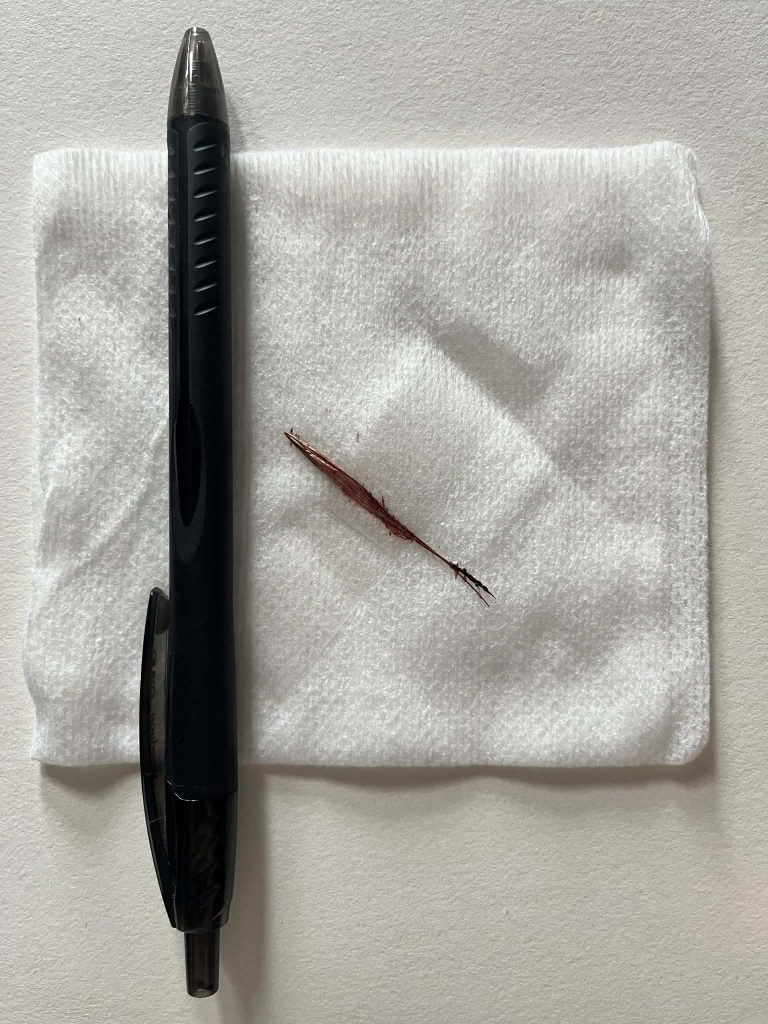
Grass seeds, particularly spear grass and barley grass, become dry and brittle during summer. Their arrow-shaped tips easily penetrate skin and burrow deeper with movement, often requiring veterinary intervention.
“We were lucky we caught it very quickly,” she warns. “If we hadn’t sought veterinary treatment when we did, it could have been disastrous.”
Common entry points include:
- Ears
- Nose
- Between the toes
- Eyes
- Skin folds and armpits
If left untreated, grass seeds can cause:
- Abscesses
- Infections
- Lung complications
- Eye damage
- Ongoing pain and inflammation
“Many pet parents don’t realise how dangerous grass seeds are,” Crighton says. “They look harmless, but once they enter the body, they don’t stop migrating. They can cause life-threatening infections and damage if they’re not removed quickly.”
PIA Claim Data Shows a Seasonal Spike
Pet Insurance Australia routinely records a significant rise in grass-seed-related claims during late spring and summer, particularly across New South Wales, Victoria, South Australia, and Western Australia, regions where dry grasses are abundant.
“These injuries can range from $300 for simple removal under sedation to over $6,000* for complex surgeries,” Crighton explains.
Warning Signs to Watch For
PIA urges pet owners to monitor their dogs closely after outdoor activity, especially if they’ve been running through long grass.
Look for:
- Persistent sneezing
- Pawing at the face
- Sudden head shaking
- Swollen paws
- Persistent paw licking
- Squinting or eye discharge
- Red, irritated ears
- Unexplained limping
“If you suspect a grass seed injury, seek veterinary attention immediately,” Crighton warns. “A dog will not sneeze a lodged seed out, and it will keep moving through your pet’s body, causing destruction as it migrates through the tissue.”
How to Reduce the Risk
Crighton recommends pet owners take simple steps to protect dogs this summer:
- Avoid areas with long, dry grass
- Check paws, ears, armpits, groin, and nose after every walk
- Keep fur trimmed around the toes and legs
- Consider protective booties for high-risk outings
- Act fast if your dog suddenly shows discomfort
“If I hadn’t known how quickly a grass seed can travel inside the nose, it could have migrated even further up his nasal passage and caused all sorts of issues for our boy,” Crighton adds. “It’s imperative that even if pet owners suspect there could be a grass seed lodged, they seek professional help quickly.”
Grass Seeds Top 10 Breeds
- Toy Poodle
- Cocker Spaniel
- American bulldog
- Cavalier King Charles
- Cavoodle
- Border Collie
- Dalmatian
- Golden Retriever
- Great Dane
- Hungarian Vizsla
“Diesel isn’t even a breed that’s usually prone to grass seed problems,” Crighton says. “It really shows that even with careful checks after a walk, these things can still happen. The best protection is simply keeping dogs out of long grass during summer – and reminding your children of the dangers.”
*PIA Data 2025
Featured By

Nadia Crighton is a renowned and accomplished professional in the fields of Journalism, Public Relations, and Writing, with an extensive career spanning over 25 years, 20 of which have been dedicated to promoting the health and well-being of pets.
Get the latest Pet Insider Tips & News
Error: Contact form not found.
We offer award-winning* pet insurance policies to protect your furry friend’s health and wellbeing. Get a quote today and give your pets the care they deserve.

Archives
Categories
- Cat Care (67)
- Cats (3)
- Dog Care (137)
- Guides (29)
- Health and Nutrition (210)
- Lifestyle and Activities (223)
- Media Release (64)
- Pet Care (260)
- Rescue Dogs (1)

